Tiszabogdány · Subcarpathia
Engineering Remembrance
One surname. One shtetl. One trade. Together again, over 80 years later.
Helman · Tiszabogdány · Fuhrmann
A repeatable method for recovering family histories from online archives through AI-assisted record linkage. Developed on a Holocaust case, and not limited to one.
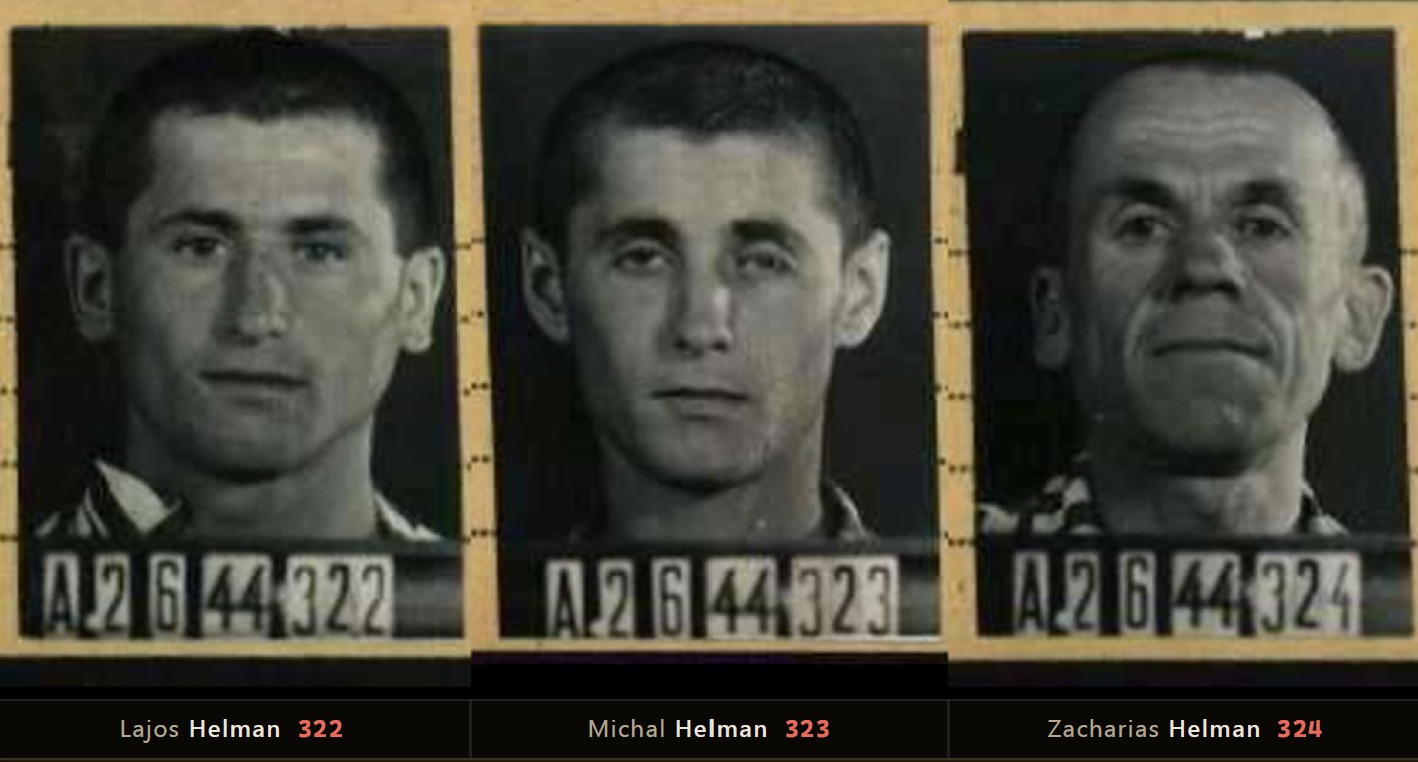
Tap or click a face for his record
Where it started
Helen Landó Helman was born in Tiszabogdány, a village in the Carpathians, and she was the only one of her immediate family to survive the war. Her mother, her father and five of her brothers and sisters were murdered in 1944. For decades there was nothing of them: no photograph, no grave, no dates.
In 2019 the Arolsen Archives put their holdings online and one prisoner card surfaced, her father’s. The family assumed that was the end of it. The research began in 2026, and it is now a dossier of more than three hundred records. None of it required travel. Read how it was found.
An identification is admitted only where independent record types corroborate one another without contradiction, and every linkage is verified against the primary document. Where the evidence supports a probable conclusion rather than a proven one, it is stated as probable.
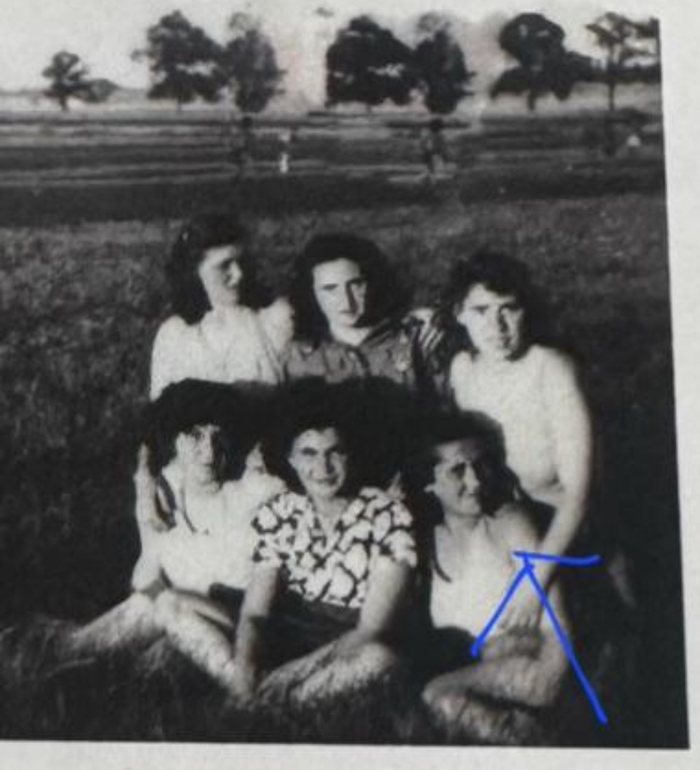
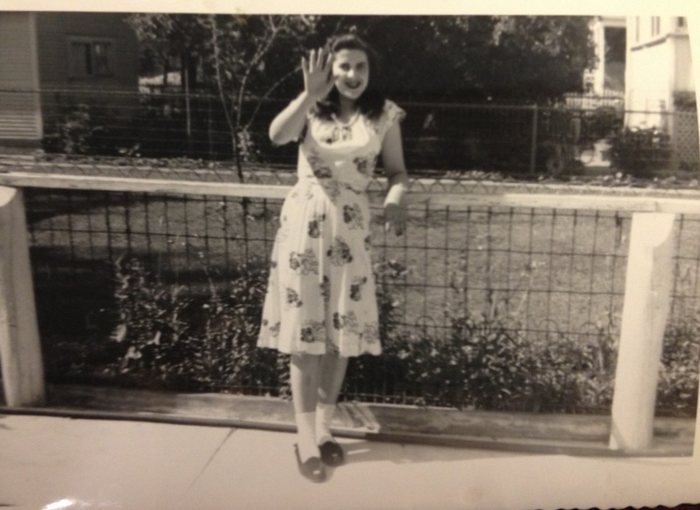
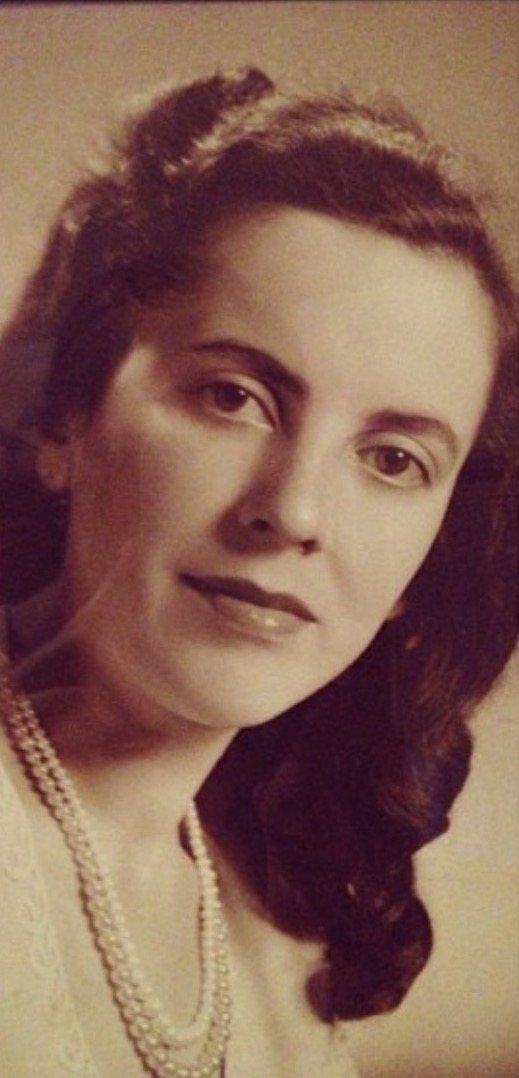
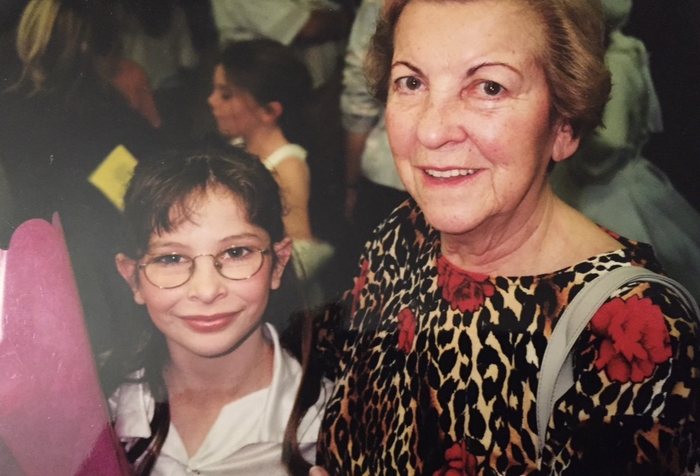
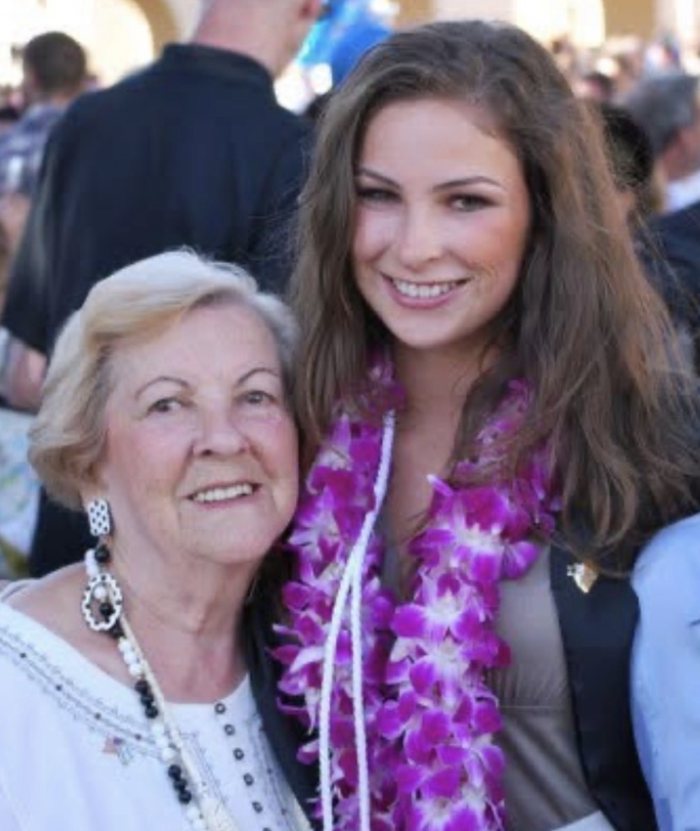
“We all have stories to tell. You know, all of us have some kind of story to tell.”
Helen Landó Helman, speaking at a high school, 2003Write to me. I read everything, and if I can point you at the right collection I will. Start with the method and the databases.
Speaking at the World Federation of Jewish Holocaust Survivors and Descendants, 36th Annual Conference, Philadelphia, 23 to 26 October 2026.